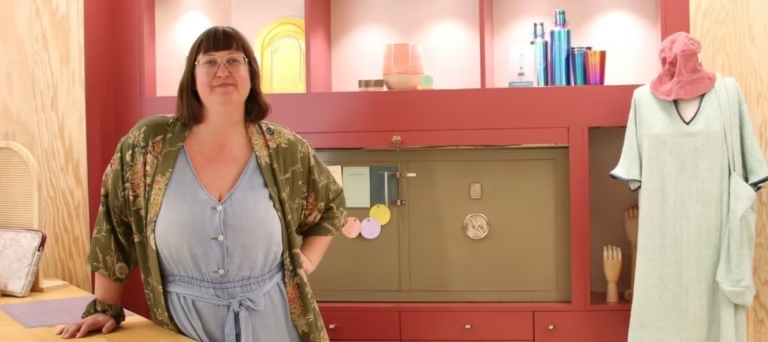
I am ‘glocal’. I have lived in several places around the world, feeling more or less local in many of the stations I’ve passed. Yet, I am mostly judged and identified by my nationality – Ecuadorian.

I studied in Madrid and London and I feel completely at home in both cities. Why? Because of the relationships I was able to build there. The friendships I experienced made me feel belong to these places – it’s a family type of network. What was also important to me was having access to the activities I liked, access to culture and entertainment, access to diversity. Of course, I also feel at home in Quito, Ecuador. That’s where I grew up and where I live today. As long as my family lives here, this city will always feel like home to me.

If I could choose I would go back to Europe and live in Madrid or London again. In Quito I can’t really pursue the type of lifestyle I want and lacking security and safety definitely have a negative impact on life quality here. But with my Ecuadorian passport it’s difficult to get a job and permit for Europe. Once, I was even declined a tourist visa for the UK.

These restrictions make me believe even more in the importance of the concept of ‘glocal’.

– Valeria

MORE STORIES

MEDIA: Urner Zeitung – Taschen, die Geschichten erzählen

Im kleinen Laden «Noemimehanis Concept Store & Atelier» in der Tellsgasse in Altdorf gibt es viel zu entdecken. Neben Kleidern, Schmuck und Dekorationsartikeln finden sich zahlreiche handgemachte Produkte. Vieles davon entwirft und produziert Inhaberin Noemi Walker selbst, anderes stammt von lokalen Künstlerinnen und Künstlern, die ihre Werke im Geschäft verkaufen.

Read More »

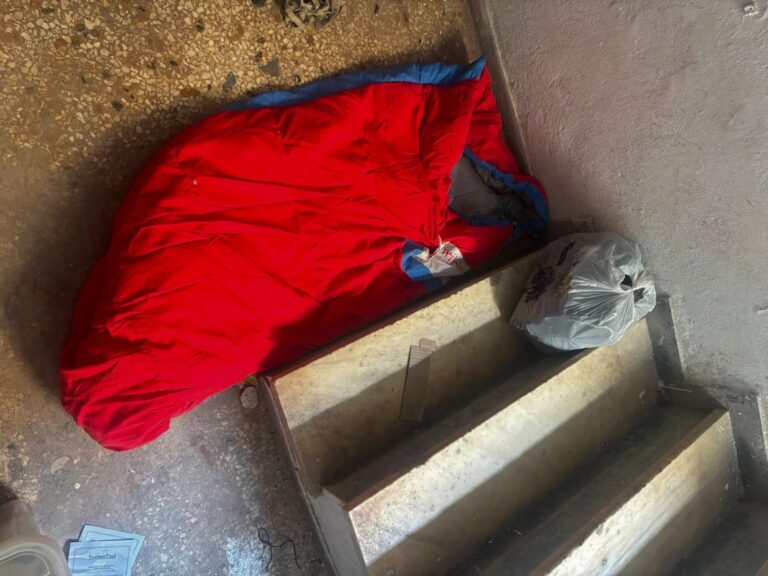
Who has the Right to the City? Migrant Homelessness in Athens

According to Articles 29 and 31 of the Asylum Code, beneficiaries of international protection should enjoy the same rights as Greek citizens, receive the necessary social support, and have access to accommodation for third-country nationals lawfully residing in the country (Greek Council for Refugees 2025). However, in practice, significant gaps exist between this legal framework and lived realities, limiting effective access to these rights.

Read More »

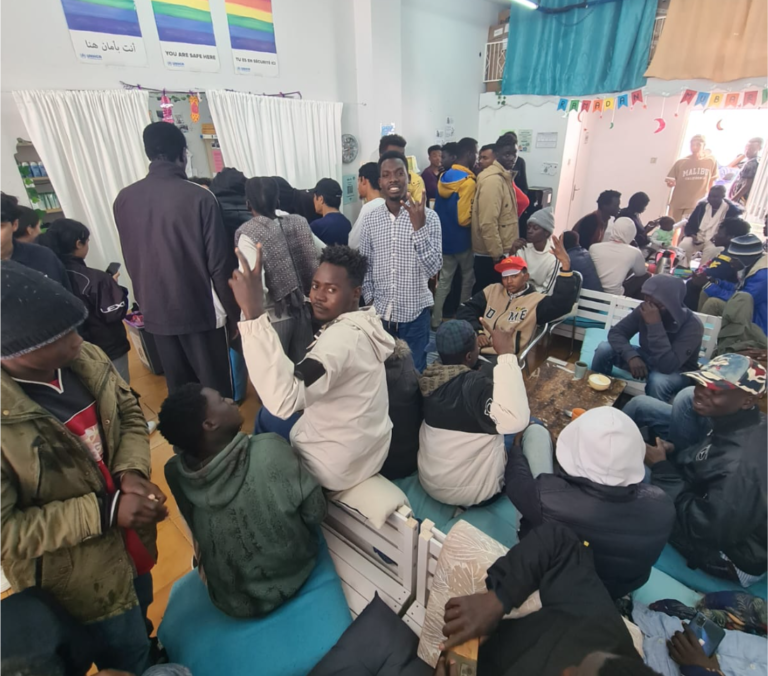
How Greece Uses Bureaucracy to Deter Refugee Arrivals After the 2023 Immigration Bill

Over the past few years, Greece has introduced a series of policies that have made the asylum process increasingly complex and difficult for people seeking protection. Since the 2023 immigration bill, new administrative and legal barriers have been added at every stage of the asylum and integration pathway. These changes have contributed to a system that is harder to access, slower to navigate, and more dangerous for the people who depend on it.

Read More »

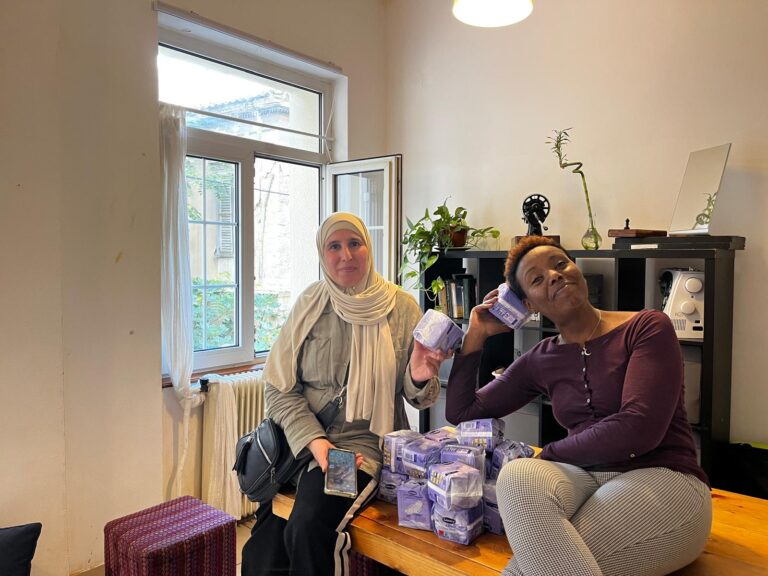
The Hidden Crisis: Sexual and Reproductive Health in Displacement

When thinking about people on the move and the challenges they encounter, it is easy to picture the most visible struggles: lack of food and safety; the dangers of human trafficking and the risks of border crossing.Yet, behind these images lie another crisis that often remains overlooked: the specific risks faced by women. During displacement, women’s sexual health and reproductive rights (SRHR) are rarely protected, leaving them exposed to infections, violence and unwanted pregnancies.

Read More »

Back to School, Not for Every Child

Education is a fundamental human right, enshrined in the 1989 Convention on the Rights of the Child, and the 1951 Refugee Convention. To deny it is to deny a child the chance to grow, to be safe, and to belong. Education is a lifeline. Yet, this right remains out of reach for many refugee children with 49% being out of school. During humanitarian crisis education is sidelined. Between 2010 and 2017 less than 3% of humanitarian funds were allocated to education. Even though education is at the core of the realization of so many other human rights. To claim, enjoy and protect your rights – whether they be social, economic, cultural, political or civil – education is a fundamental tool. School plays a key role in every aspect of a child’s development. Going beyond cognitive skills like reading and numeracy, it also nurtures social and emotional growth. The classroom offers structure, routine, and safety. It is where children learn to cooperate, to build relationships, and build self-confidence. School also introduces children to sport. More than a simple form of recreation, physical education provides children with the opportunity to connect, to practice teamwork, and to experience the joy of shared achievement. Sport fosters resilience and self-worth.

Read More »

MEDIA: Neue Zürcher Zeitung – Auf Kos sind die Touristen zurück und die Flüchtlinge noch da

Am Rande eines Beachvolleyball-Felds am Strand von Kos-Stadt sitzt Nabil und schaut auf dieTouristen, die im Meer baden. Er war letztmals vor zehn Jahren im Wasser. Von der türkischen Küste her war er gekommen,sie liegt nur sechs Kilometer entfernt. Zusammen mit vier anderen jungen Männern wollte er nach Europa schwimmen. «Wir starteten zusammen, wir sagten, wir halten uns aneinander, damit keiner verlorengeht.»

Read More »

ARE YOU A GLOCAL TOO?

Send us your story!

Contact

Glocal Roots
Limmatstrasse 206, 8005 Zurich
contact@glocalroots.ch